
Snowfall Totals Revealed: Which Cities Were Hit Hardest by the Powerful Winter Storm?
Winter storms have a way of reshaping daily life in just a few hours. Roads disappear under thick layers of snow, flights are delayed, schools close, and entire cities slow to a crawl. This latest storm was no exception. As official reports come in, the snowfall numbers reveal just how uneven the impact was across different regions — with some cities seeing record-breaking accumulation while others escaped with lighter dustings.
Understanding snowfall data isn’t just about curiosity. These figures help explain travel disruptions, power outages, and emergency responses, while also giving insight into how severe the storm truly was. Let’s break down the cities that took the biggest hit and what these totals actually mean on the ground.
Cities That Recorded the Highest Snowfall During the Storm
Several major cities found themselves buried after the storm stalled over key regions for nearly 24 hours. Meteorologists noted that slow-moving systems tend to dump far more snow than fast-passing fronts, and that’s exactly what happened here.
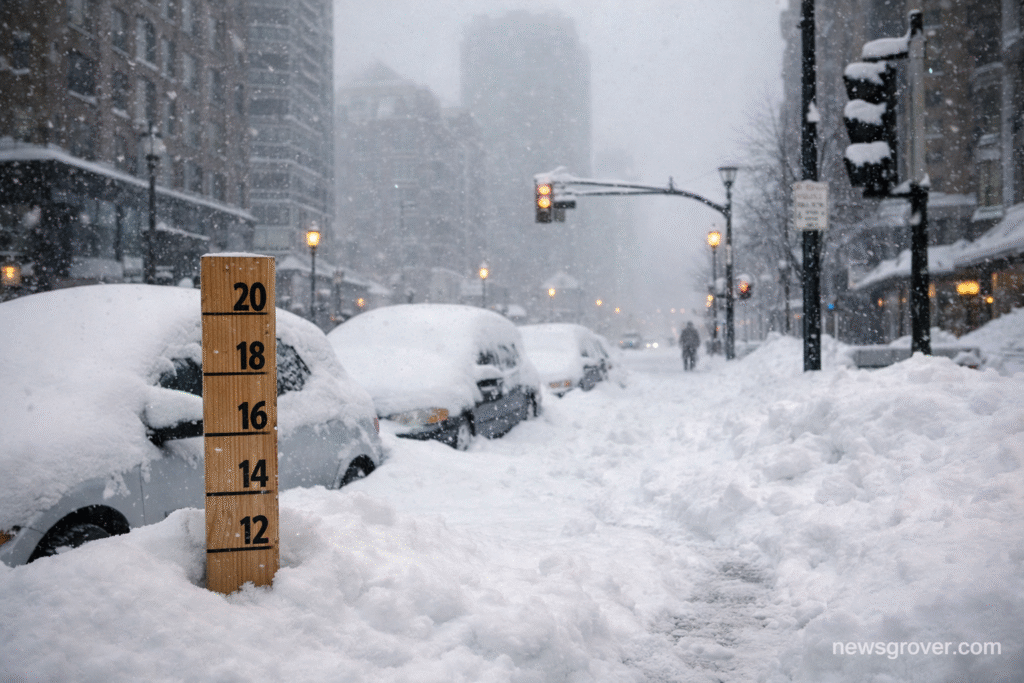
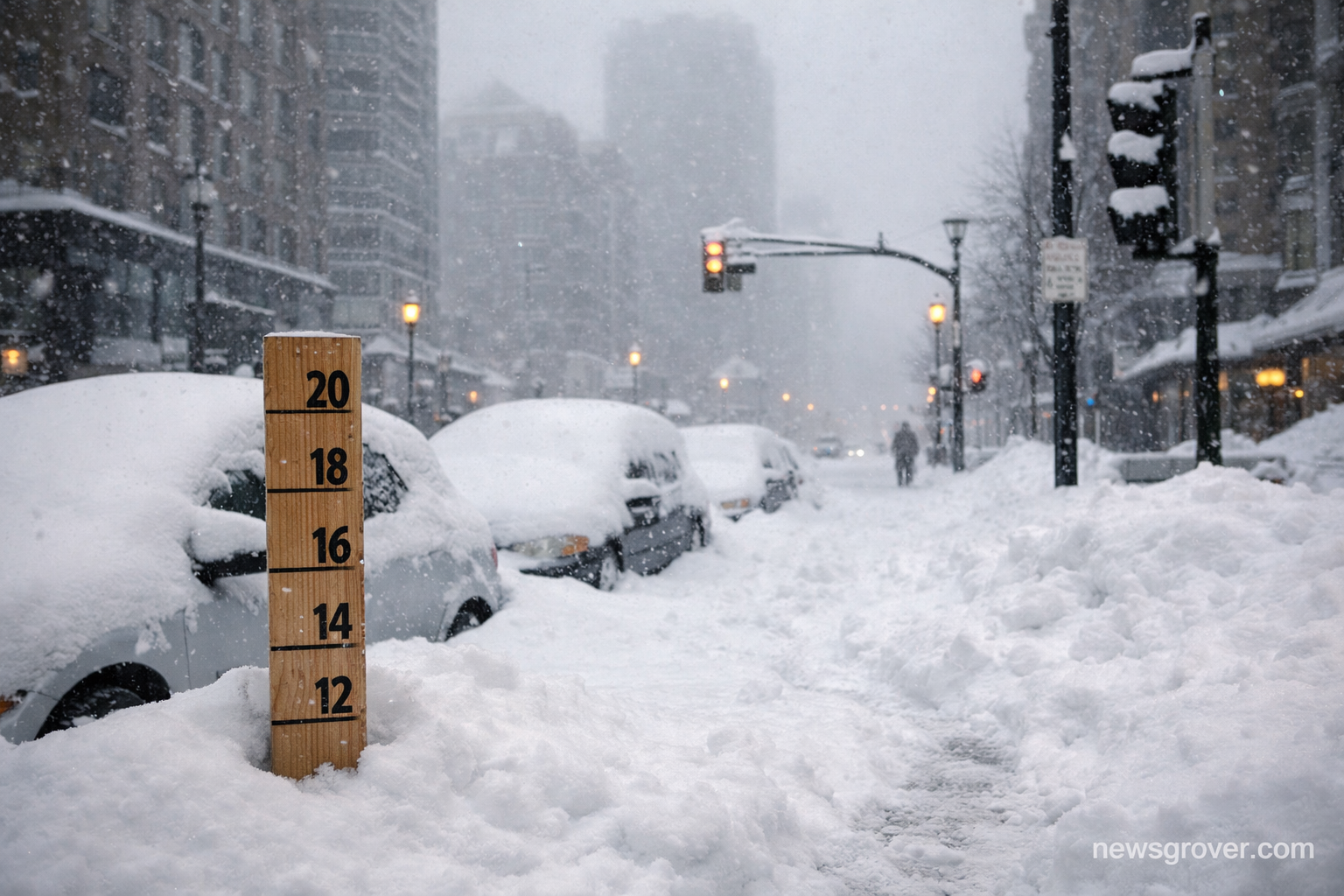
Urban centers in the northern and central zones saw the most dramatic accumulation. Streets became impassable, public transportation struggled to operate, and snowplows worked nonstop to keep emergency routes open. In some areas, snowfall exceeded early forecasts, catching residents and city officials off guard. These extreme conditions highlighted how quickly winter weather can overwhelm even well-prepared cities.
What stood out most was how localized the heaviest snowfall was. Cities just a few miles apart experienced drastically different conditions, emphasizing the unpredictable nature of winter storms and why real-time monitoring matters so much.
How Weather Snowfall Totals Explain the Severity of the Storm
When meteorologists release weather snowfall totals, they provide more than just numbers — they offer context. High accumulation in a short time frame often signals dangerous travel conditions, increased risk of roof collapses, and extended cleanup efforts.
This storm produced snowfall rates of one to two inches per hour in several regions, making it difficult for plows to keep roads clear. Combined with strong winds, blowing snow reduced visibility to near zero in some cities, triggering driving bans and emergency alerts. The totals also help explain why some airports canceled hundreds of flights while others remained mostly operational.
For residents, these numbers translate directly into daily challenges. Higher totals mean longer commutes, delayed deliveries, and increased strain on local infrastructure. It’s why accurate snowfall reporting is essential for both public safety and planning.
Why Some Cities Were Hit Harder Than Others
Not every city under the storm system experienced the same level of snowfall, and geography played a major role. Elevation, proximity to lakes, and local wind patterns all influenced how much snow ultimately fell.
Lake-effect snow intensified accumulation in certain areas, dramatically increasing totals in cities downwind of large bodies of water. Meanwhile, slightly warmer air temperatures in southern regions caused snow to mix with sleet or rain, reducing overall accumulation. These small atmospheric differences can lead to massive contrasts in snowfall over relatively short distances.
Forecasters also pointed out that urban heat islands — where cities retain more warmth — can slightly reduce accumulation compared to surrounding suburbs. Even so, many metro areas still recorded totals high enough to rank among their most significant storms in recent years.
What These Snowfall Numbers Mean for Travel and Safety
Heavy snowfall doesn’t end when the storm clouds move on. Cleanup and recovery often take days, especially in cities that saw extreme accumulation. Snow-covered roads, icy sidewalks, and reduced visibility continue to pose risks long after the final flakes fall.
Authorities rely on weather snowfall totals to prioritize snow removal, assess emergency response needs, and evaluate whether additional resources are required. For residents, these numbers serve as a reminder to stay cautious, avoid unnecessary travel, and prepare for lingering winter hazards.
As climate patterns continue to shift, experts warn that intense winter storms like this one may become more frequent. Tracking snowfall data helps communities adapt, improve forecasting, and strengthen response strategies for future events.
A Storm That Left Its Mark
This winter storm was a clear reminder of how powerful and disruptive severe weather can be. From record-setting accumulation in some cities to lighter snowfall just miles away, the contrast was striking. The released snowfall data not only tells the story of which cities were hit hardest but also explains why the storm had such a widespread impact.
Staying informed about snowfall reports helps individuals, businesses, and local governments make smarter decisions before, during, and after major weather events. As winter continues, keeping an eye on forecasts and official snowfall updates will remain essential for safety and preparedness.