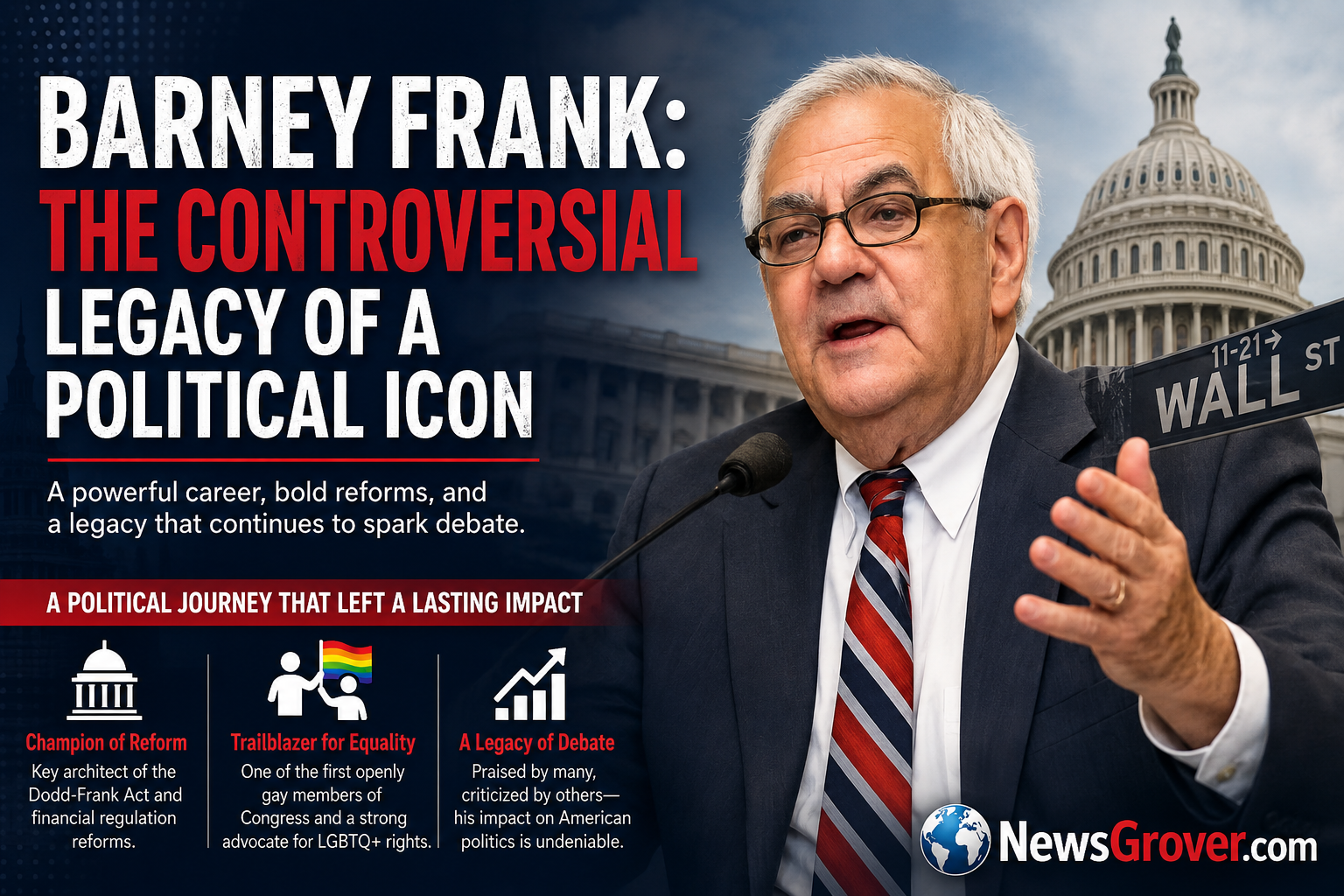

Barney Frank: The Controversial Legacy of a Political Icon
Who Is Barney Frank and Why Does He Still Matter?
Few political figures in modern American history have sparked as much debate as Barney Frank. Known for his sharp wit, fearless political style, and influential role in shaping financial reform, Barney Frank remains one of the most talked-about names in American politics. Whether people admire him or criticize him, there is no denying the impact he had on the political landscape of the United States.
From his long tenure in Congress to his involvement in major financial legislation, Barney Frank built a reputation as a politician who was never afraid to speak his mind. Supporters viewed him as a progressive leader who fought for equality and financial accountability, while critics often accused him of being too outspoken and polarizing. Even years after leaving office, discussions about Barney Frank continue to appear in political conversations, financial debates, and media coverage.
The legacy of Barney Frank goes beyond politics alone. He became a symbol of political change during a time when American society was evolving rapidly. His career intersected with major national events, including the 2008 financial crisis, banking reforms, and LGBTQ+ rights movements. Because of this, his influence continues to shape discussions about government regulation, civil rights, and economic policy today.
Barney Frank’s Political Career and Rise to National Attention
Barney Frank began his political journey with a strong focus on public service and progressive values. Born in New Jersey, he eventually became a prominent member of the Democratic Party and served as a U.S. Representative from Massachusetts for more than three decades. During his years in Congress, Barney Frank developed a reputation for being highly intelligent, direct, and deeply involved in legislative policymaking.
One of the biggest reasons Barney Frank gained national recognition was his role during the financial crisis of 2008. At a time when the American economy faced severe instability, Frank became one of the key architects behind the landmark Dodd-Frank Wall Street Reform and Consumer Protection Act. The legislation aimed to prevent another economic collapse by increasing oversight of financial institutions and protecting consumers from risky banking practices.
Supporters argued that the reforms introduced by Barney Frank helped strengthen the financial system and reduce the chances of another recession. Critics, however, believed the regulations placed too much pressure on banks and slowed economic growth. This divide only added to the controversial image surrounding Barney Frank, making him one of the most debated political figures of his era.
Beyond financial reform, Barney Frank also made history as one of the first openly gay members of Congress. His openness about his identity during a less accepting political climate was considered groundbreaking by many civil rights advocates. He became a vocal supporter of equal rights, anti-discrimination laws, and LGBTQ+ representation in government. For many Americans, Barney Frank represented progress and courage in politics, while others viewed his outspoken personality as confrontational.
His ability to dominate political discussions and challenge opponents made him a regular figure on television and in the national media. Barney Frank was known for delivering blunt responses and sharp political commentary, which often generated headlines. This media presence helped him become widely recognizable across the country.
The Controversial Legacy of Barney Frank in Modern Politics
The legacy of Barney Frank remains deeply controversial because his career touched on issues that still divide Americans today. Supporters praise him for pushing financial accountability, defending consumer rights, and advocating for social equality. They see him as a politician who was willing to confront powerful institutions and fight for policies he believed would benefit ordinary citizens.
Critics, however, continue to question some of the policies associated with Barney Frank. Opponents argue that certain financial decisions made before the housing market collapse contributed to economic instability. Others believe his political style was too aggressive and divisive. These criticisms have kept debates about Barney Frank alive long after he retired from Congress.
Despite the controversy, it is difficult to ignore the lasting influence of Barney Frank on American political history. The Dodd-Frank Act remains one of the most significant financial reform laws in decades, and discussions about banking regulations still reference its work today. In addition, his role in advancing LGBTQ+ visibility in politics opened doors for future generations of openly gay public officials.
Modern political analysts often describe Barney Frank as a figure who represented both transformation and conflict in American politics. He challenged traditional norms, pushed progressive policies, and frequently engaged in heated debates that captured national attention. His supporters consider him a visionary reformer, while critics see him as a symbol of government overreach. This dual perception is exactly why Barney Frank continues to be remembered as a controversial political icon.
In the end, Barney Frank’s career reflects the complexities of modern American politics itself. He was influential, outspoken, admired, criticized, and impossible to ignore. Whether viewed as a reformer or a controversial figure, Barney Frank undeniably left a permanent mark on the political and financial systems of the United States.