
The Rise and Legacy of a Beloved Candy Retailer
For many people, stepping into this candy store felt like entering a magical world. Rows of bright candy jars, chocolate counters, classic toffees, and seasonal treats made every visit memorable.
Over the years, the store became a staple in shopping malls and high streets. Its presence was almost guaranteed in every major retail hub, attracting children, tourists, and long-time fans. Special packaging, gift hampers, and holiday collections further strengthened its identity as a go-to destination for celebrations and gifting.
The chain’s success was built on nostalgia and quality. Generations grew up visiting these stores, and the emotional connection people had with the brand played a huge role in its popularity. However, despite this strong legacy, modern retail realities slowly began to challenge its traditional business model.
Why the Historic Candy Store Chain Closes So Many Locations
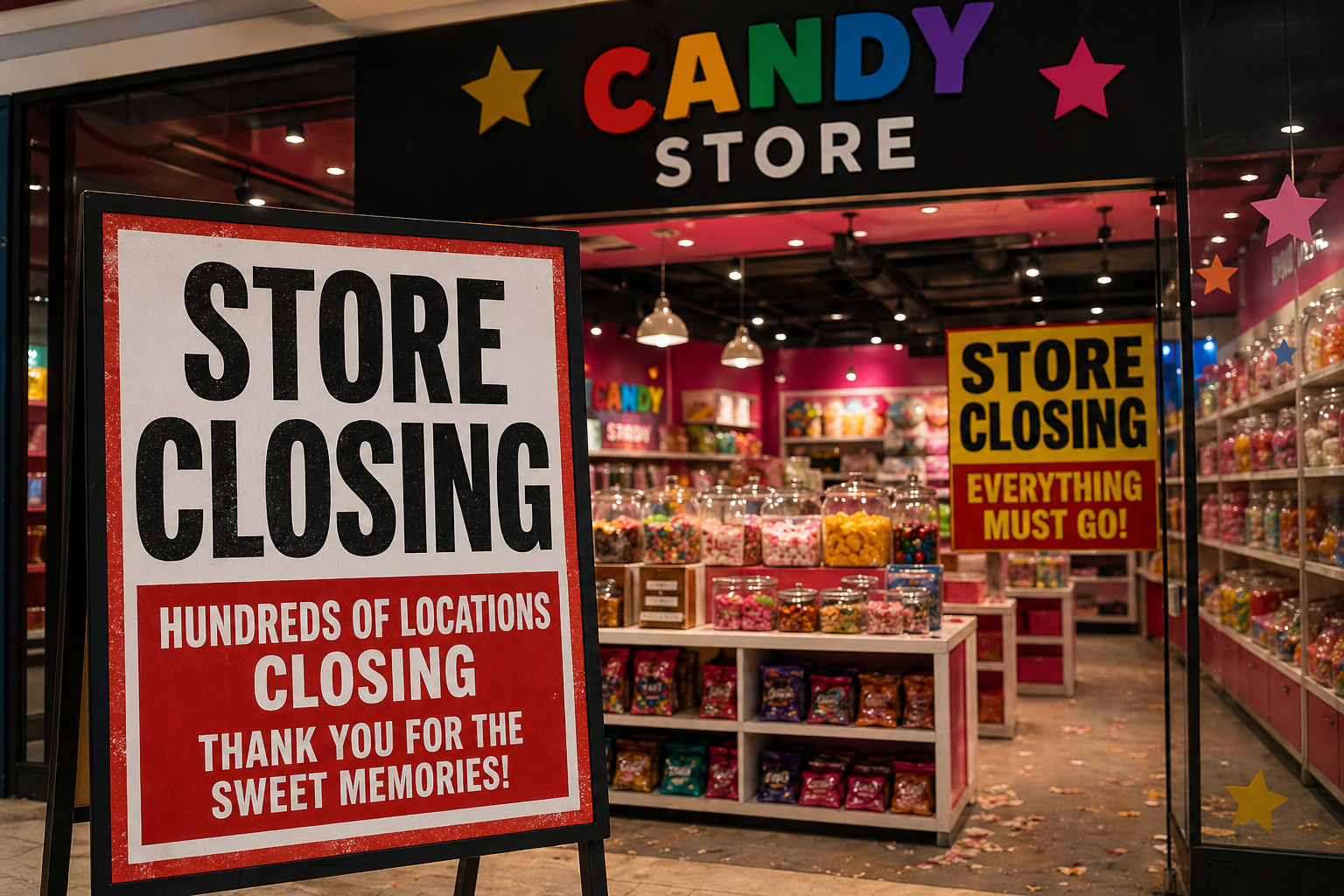
The announcement that the historic candy store chain closes hundreds of outlets did not happen overnight. Several factors contributed to this drastic step, and together they paint a picture of how difficult it has become for traditional retailers to survive in today’s competitive environment.
One of the biggest reasons was the shift toward online shopping. Customers increasingly prefer ordering sweets and chocolates from e-commerce platforms where they can compare prices, get discounts, and enjoy home delivery. Foot traffic in malls and physical stores has reduced significantly over the years, directly affecting sales.
Rising operational costs also played a major role. Rent for premium retail spaces, staff salaries, logistics, and inventory management became increasingly expensive. With declining in-store purchases, maintaining these large physical outlets became financially unsustainable.
Changing consumer preferences further added to the pressure. Health-conscious buyers are now reducing sugar intake, opting for healthier snacks instead of traditional candies. This shift in lifestyle trends impacted overall demand, forcing the brand to rethink its strategy—but unfortunately, the changes came too late.
Impact on Customers, Employees, and Local Communities
Customers Feel the Loss of a Nostalgic Experience
For loyal customers, the closure feels deeply personal. This was not just a place to buy candy; it was a store filled with memories. Parents who once visited as children now brought their own kids to share the same experience. The disappearance of these stores leaves a gap that online shopping cannot truly fill. The sensory experience—the smell of chocolates, the colorful displays, and the joy of choosing sweets in person—cannot be recreated on a website.
Employees Face Uncertain Futures
Hundreds of store closures mean thousands of employees losing their jobs. Staff members who spent years serving customers, packing gift boxes, and maintaining the store’s welcoming atmosphere are now left searching for new opportunities. For many, this was not just employment but a place they proudly represented as part of a legacy brand.
Local Communities Lose a Familiar Landmark
In many cities, these candy stores were landmarks within shopping districts. Their bright storefronts and festive displays added charm to malls and streets. With their closure, communities lose a small but meaningful part of their local retail culture, making shopping areas feel less vibrant and more generic.
What This Closure Tells Us About the Future of Retail
The fact that a historic candy store chain closes such a large number of locations highlights a bigger trend affecting retail worldwide. Traditional brick-and-mortar stores are struggling to compete with digital convenience and changing consumer behavior.
Retailers now need to offer more than products—they must provide experiences, personalization, and online integration. Brands that fail to adapt to these changes often find themselves losing relevance, no matter how strong their history or emotional connection with customers may be.
This situation also shows how important it is for legacy brands to innovate early. Waiting too long to adopt online strategies, diversify products, or modernize operations can have long-term consequences that are difficult to reverse.
Is This Truly the End, or a Chance for Reinvention?
While the closure of hundreds of stores sounds like the end of an era, it might also open the door for reinvention. Many brands that once struggled in physical retail have found new life through online platforms, subscription boxes, and niche marketing.
There is still a strong market for nostalgic candies and classic sweets. If the brand chooses to focus on e-commerce, limited edition collections, or partnerships with other retailers, it could rebuild its presence in a different form. Customers still love the products—the challenge is delivering them in a way that fits modern buying habits.
Only time will tell whether this historic brand will fade into memory or make a comeback in a new digital avatar.
Saying Goodbye to a Sweet Chapter
The moment a historic candy store chain closes hundreds of locations is more than a business headline—it is the end of a cherished retail tradition. Generations of customers grew up with these stores, making them a symbol of joy, celebration, and childhood memories.
While the reasons behind the closures reflect the realities of modern retail, the emotional impact on customers and communities is undeniable. This story serves as a reminder that even the most beloved brands must evolve with time or risk becoming part of history.
As we say goodbye to these colorful candy aisles, we hold onto the sweet memories they gave us—and hope that one day, in some new form, the magic might return.