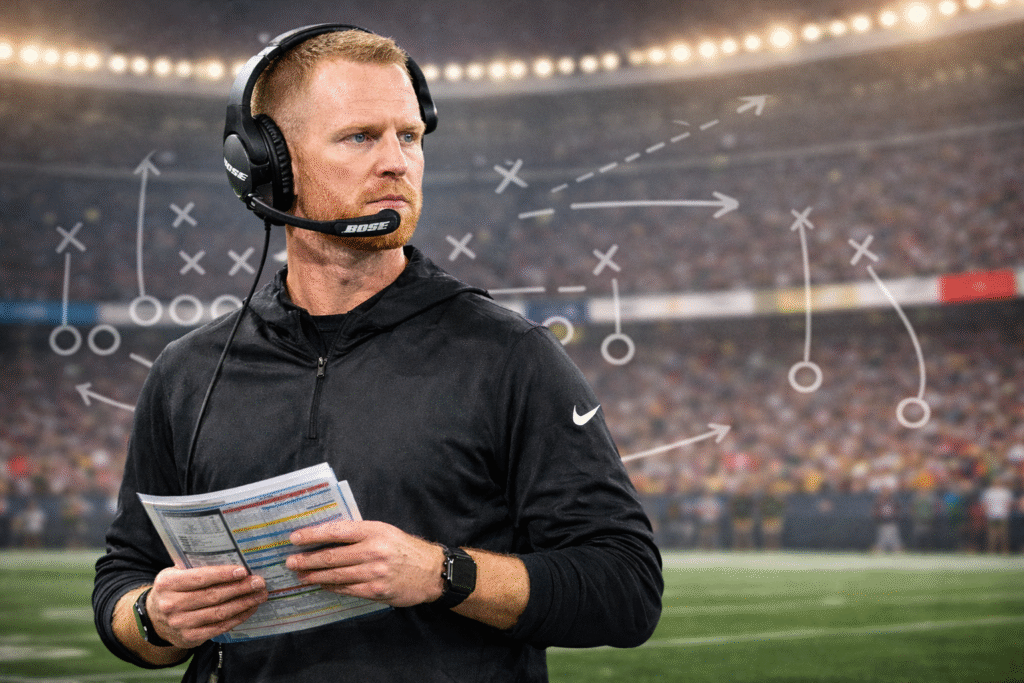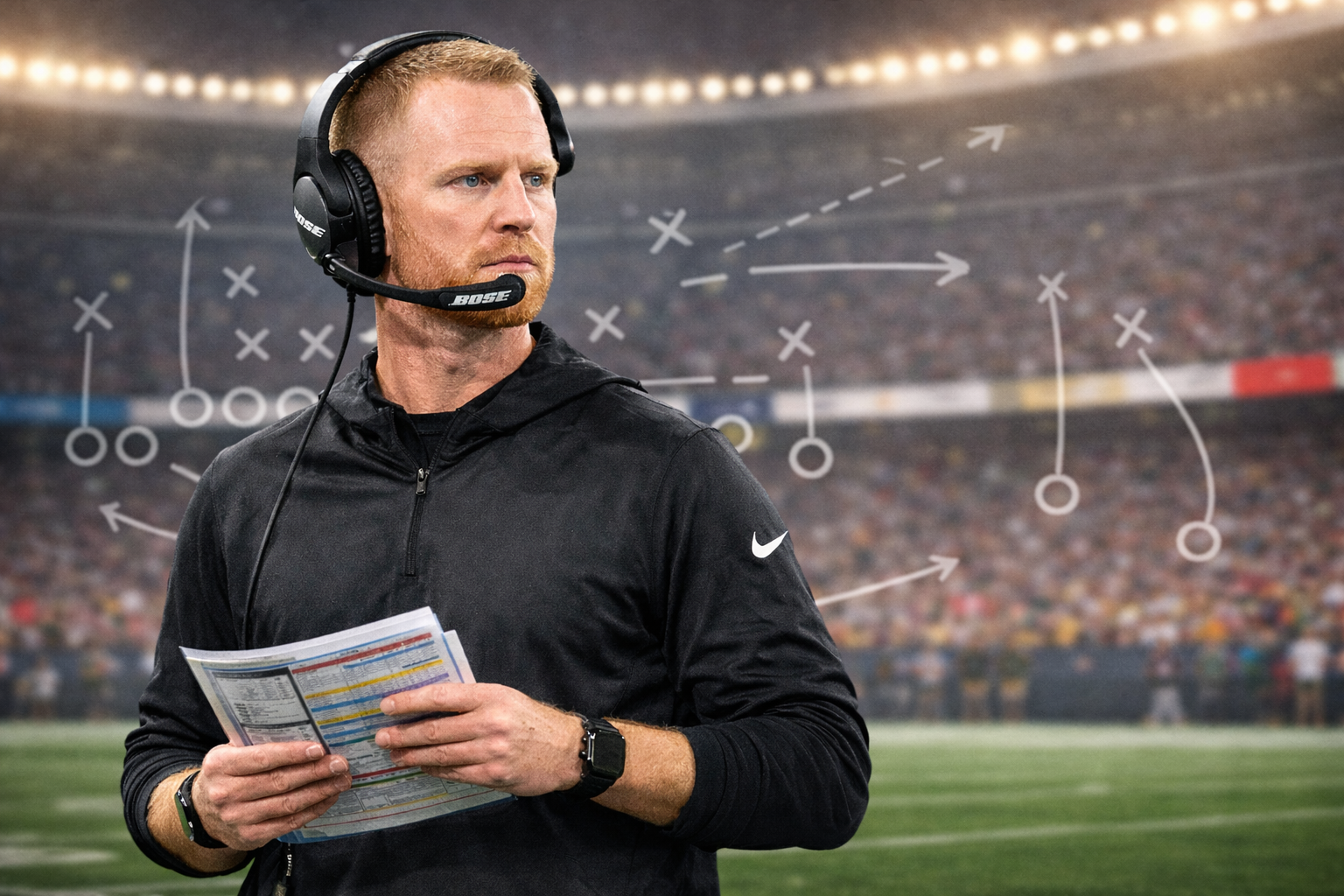

Joe Brady Coaching Profile: Achievements, Strategy, and What’s Next
Joe Brady has quietly built a reputation as one of the sharpest offensive minds in modern football. From college dominance to NFL locker rooms, his rise hasn’t been fueled by hype alone—it’s been driven by results, adaptability, and a deep understanding of quarterback development. Whether fans are watching play design, in-game adjustments, or player growth, Brady’s coaching journey offers plenty to study.
This coaching profile breaks down his achievements, his offensive philosophy, and where his career appears to be heading next.
The Rise of Joe Brady: From Breakout Success to National Recognition
Joe Brady’s coaching career truly caught national attention during his time at LSU, where he played a major role in shaping one of the most explosive offenses college football has ever seen. Working behind the scenes, he helped modernize passing concepts, spacing, and route combinations in a way that maximized quarterback efficiency and receiver separation.
That success didn’t happen by accident. Brady’s strength has always been his ability to simplify complex ideas. Instead of overwhelming players with volume, he focuses on clarity—clear reads, defined progressions, and smart play design. This approach allowed quarterbacks to play faster and more confidently, which translated directly into production on the field.
As his reputation grew, NFL teams took notice. Brady transitioned to the professional level with the same core philosophy: adapt schemes to players, not the other way around. That mindset separated him from many traditional systems and made him especially valuable in a league where flexibility is everything.
Offensive Philosophy and Quarterback Development Approach
At the heart of Brady’s coaching style is quarterback trust. As a joe brady qb coach, he emphasizes decision-making over rigid mechanics. He teaches quarterbacks how to diagnose defenses before the snap and confirms those reads immediately after the ball is snapped. This reduces hesitation and increases accuracy under pressure.
His offensive system leans heavily on spacing, timing, and mismatches. Rather than forcing deep throws on every play, Brady uses short and intermediate routes to stretch defenses horizontally. Once defenders are forced to spread out, vertical opportunities naturally open up. It’s a calculated, chess-like approach that rewards patience and precision.
Another defining trait is how he adjusts game plans week to week. Brady doesn’t rely on one “perfect” system. Instead, he studies opponent tendencies and tailors concepts that exploit specific weaknesses. This adaptability has made his offenses harder to predict and easier to sustain over long seasons.
Influence, Comparisons, and What the Future Holds
Joe Brady’s football intellect has sparked comparisons and conversations across the sport. Even discussions like joe montana on tom brady often come up when analysts talk about how elite quarterback play is shaped—not just by talent, but by coaching environments that allow smart decision-making to thrive. Brady’s coaching philosophy fits squarely into that modern view of quarterback success.
Looking ahead, Brady’s future appears wide open. Whether he continues refining offenses at the coordinator level or eventually steps into a head coaching role, his trajectory suggests long-term impact. Teams increasingly value coaches who can develop quarterbacks, evolve with the game, and communicate effectively with today’s players—areas where Brady consistently excels.
What stands out most is sustainability. His methods aren’t built on trick plays or short-term trends. They’re built on fundamentals, spacing, and understanding defensive structure. That makes his coaching style not just effective now, but adaptable for the future of football.
Why Joe Brady’s Coaching Matters
Joe Brady represents a new generation of football coaches—analytical, flexible, and player-focused. His achievements reflect more than wins or statistics; they reflect a mindset that prioritizes growth, clarity, and execution. As the game continues to evolve, coaches who understand both strategy and psychology will shape its direction.
Whether you’re a fan, analyst, or aspiring coach, Brady’s journey offers a clear lesson: smart offense isn’t about doing more—it’s about doing the right things, at the right time, with the right players.