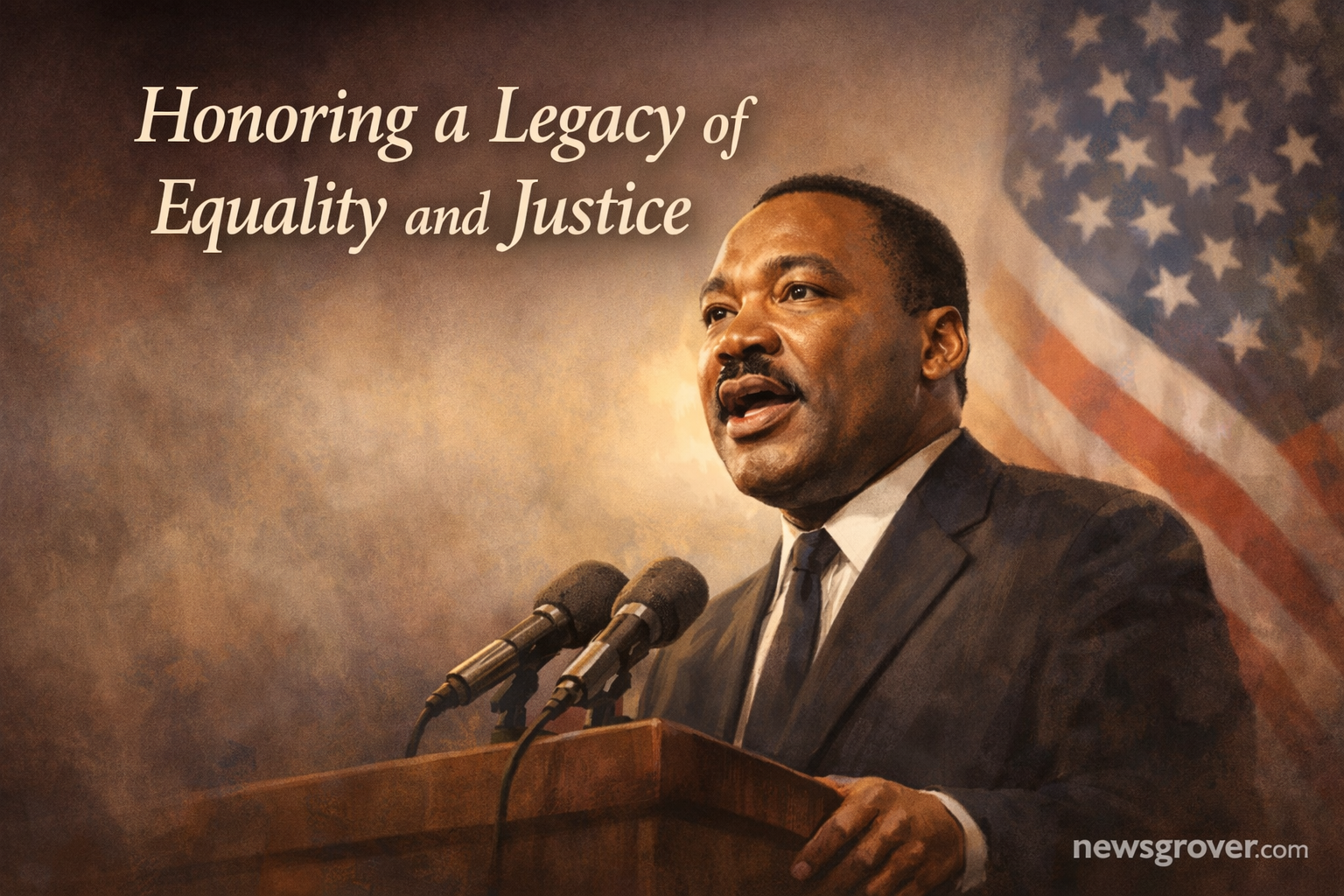

Every January, the United States pauses to reflect on one of the most powerful voices in modern history. Dr. Martin Luther King Jr. Day is more than a federal holiday—it is a moment to remember courage, sacrifice, and an unwavering commitment to justice. It reminds us that progress does not happen overnight and that meaningful change often begins with a single voice willing to speak against injustice.
Dr. King’s message continues to resonate decades after his passing because the ideals he championed—freedom, equality, and dignity—remain deeply relevant today. His words still echo in classrooms, courtrooms, peaceful protests, and everyday conversations about civil rights and social responsibility.
The Historical Importance of Dr. Martin Luther King Jr. Day
The holiday was officially recognized in 1983, years after Dr. King’s assassination, following persistent efforts by civil rights leaders and communities who believed his legacy deserved national recognition. Today, dr. martin luther king jr. day stands as a symbol of collective remembrance and moral reflection, honoring a man who challenged America to live up to its founding promises.
Dr. King rose to national prominence during the Montgomery Bus Boycott and went on to lead nonviolent movements that dismantled legalized racial segregation. His leadership played a critical role in landmark legislation such as the Civil Rights Act and the Voting Rights Act. These achievements were not just legal victories—they reshaped the social fabric of the nation.
The holiday also serves as a reminder that civil rights progress was earned through peaceful resistance, strategic organization, and immense personal sacrifice. Dr. King faced constant threats, imprisonment, and criticism, yet he remained committed to nonviolence and moral persuasion as tools for change.
Dr. King’s Philosophy of Equality, Justice, and Nonviolence
What made his message so powerful was its moral clarity. Dr. King spoke not just to African Americans, but to the conscience of an entire nation. He challenged systems of oppression while also calling individuals to self-reflection and accountability.
Even today, discussions around social justice, voting rights, and racial equality often reference Dr. King’s teachings. dr. martin luther king jr. day encourages people to revisit those principles and consider how they apply in a modern world facing new forms of inequality and division.
Why Dr. Martin Luther King Jr. Day Still Matters Today
dr. martin luther king jr. day challenges individuals and communities to engage in service, dialogue, and action. It asks an important question: how are we contributing to a more just society?
Across the country, organizations host volunteer events, educational programs, and community discussions to honor Dr. King’s legacy. These initiatives reflect his belief that change begins at the local level. Whether it’s addressing poverty, improving education, or promoting civic engagement, the holiday encourages active participation rather than passive remembrance.
In a time of social and political polarization, Dr. King’s call for unity and empathy feels especially relevant.
Honoring the Legacy Beyond Words
Remembering Dr. King is not just about quoting his speeches—it’s about living his values. Equality, fairness, and respect are principles that must be practiced daily.
Teaching younger generations about his life and leadership ensures that his message does not fade with time.
Ultimately, dr. martin luther king jr. day serves as both a tribute and a challenge.