
Iran Protests Escalate: How Economic Frustration Sparked a Nationwide Uprising
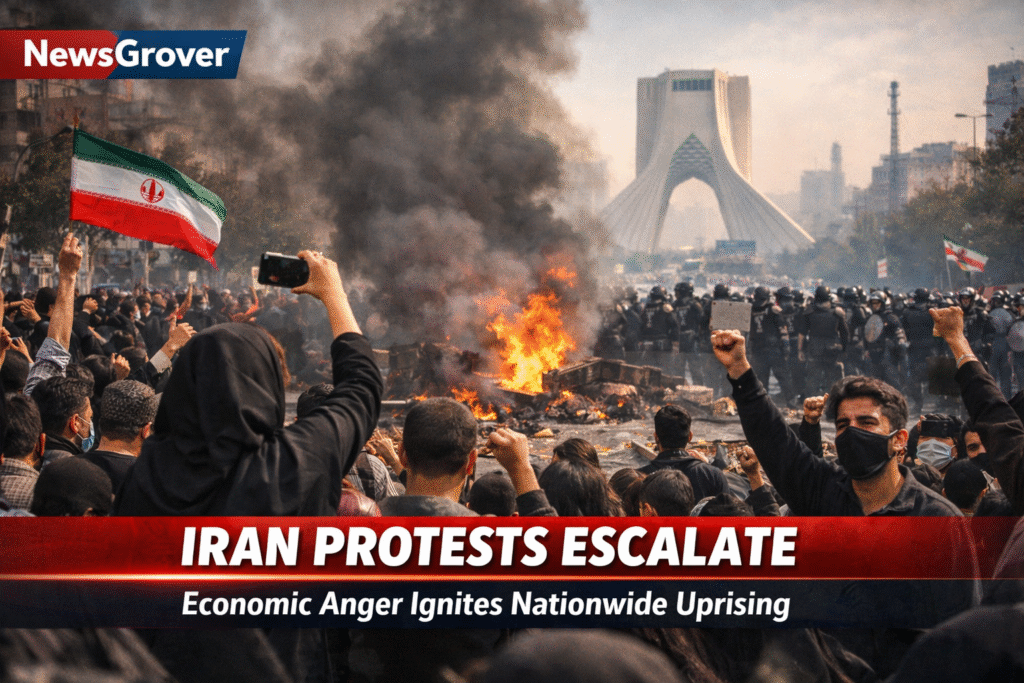
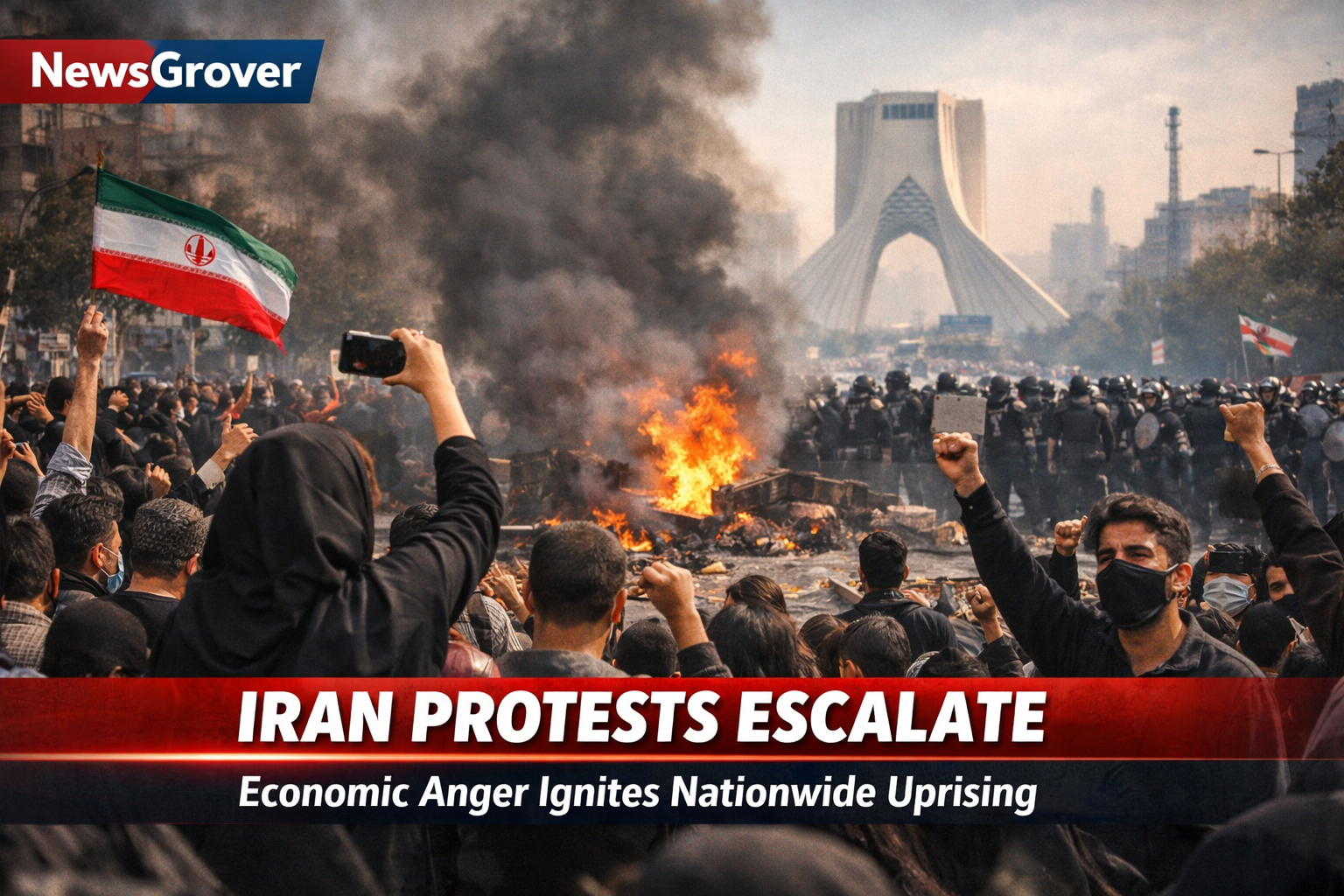
What began as scattered demonstrations over rising prices has now turned into one of the most serious internal challenges Iran has faced in years. As inflation, unemployment, and shrinking opportunities squeeze everyday life, public frustration has spilled onto the streets. The moment reflects more than temporary anger—it signals a deeper struggle between economic survival and political control. As iran protests escalate, the movement is no longer limited to a single group or city but has grown into a nationwide expression of dissent.
From students and workers to shop owners and pensioners, people across social classes are voicing the same concern: the system is failing to meet basic expectations. Understanding how these protests evolved helps explain why they have become so widespread and difficult to contain.
Economic Pressure as the Spark Behind the Unrest
Iran’s economy has been under strain for years, but recent conditions pushed many citizens past their breaking point. Rising food prices, currency devaluation, and limited job prospects have made daily life increasingly difficult. For ordinary families, wages no longer stretch far enough to cover essentials, while government support remains limited or inconsistent.
What makes this crisis particularly volatile is the sense of stagnation. Many Iranians feel that no matter how hard they work, their economic reality does not improve. This frustration created fertile ground for demonstrations, which initially focused on economic grievances rather than political ideology. As iran protests escalate, these financial concerns continue to act as the backbone of public anger, fueling persistence even in the face of crackdowns.
Another key factor is inequality. While a small segment of society appears insulated from hardship, the majority feels left behind. This visible gap has intensified resentment, turning economic protests into broader calls for accountability, transparency, and systemic reform.
From Local Demonstrations to Nationwide Mobilization
What distinguishes the current wave of unrest is its rapid expansion. Early protests were localized, often triggered by specific price hikes or labor disputes. Within weeks, demonstrations spread to multiple provinces, cutting across ethnic, cultural, and regional lines. This shift transformed isolated events into a coordinated national movement.
Social media has played a crucial role in this expansion. Despite restrictions, digital platforms allow protesters to share footage, organize gatherings, and spread information faster than traditional state channels can suppress it. As a result, awareness grows even in areas where protests are quickly dispersed. With each new incident, momentum builds, reinforcing the perception that change is possible through collective action.
As iran protests escalate, slogans have evolved as well. While economic issues remain central, calls for dignity, justice, and political accountability are becoming more common. This evolution suggests that the movement is no longer just about survival—it is about the future direction of the country.
Government Response and the Risk of Further Escalation
The authorities’ response has been firm, relying on security forces, arrests, and communication restrictions to restore control. While these measures may suppress demonstrations temporarily, they do little to address the root causes of public anger. In many cases, heavy-handed tactics risk amplifying resentment rather than calming tensions.
History shows that movements driven by widespread economic pain are difficult to silence permanently. Each confrontation creates new grievances, pulling more citizens into the struggle. As iran protests escalate, the government faces a critical dilemma: continue with forceful suppression or pursue meaningful reforms that restore public trust.
International attention also adds pressure. Global media coverage and diplomatic scrutiny increase the cost of prolonged unrest, affecting Iran’s economic and political relationships. This external spotlight makes it harder to manage the situation quietly, further complicating efforts to regain stability.
Why These Protests Matter Beyond Iran
The significance of this uprising extends beyond national borders. Iran plays a key role in regional politics, energy markets, and global diplomacy. Prolonged instability could influence everything from oil prices to geopolitical alliances. Observers worldwide are closely watching how events unfold, aware that internal unrest may reshape Iran’s domestic and foreign policies.
More importantly, the protests reflect a universal theme: when economic hardship combines with limited political outlets, public frustration eventually demands expression. As iran protests escalate, they serve as a reminder that long-term stability depends not just on control, but on responsiveness to citizens’ needs.
A Turning Point Shaped by Public Resolve
The current unrest represents more than a temporary crisis—it is a turning point shaped by years of accumulated frustration. What started as economic anger has grown into a nationwide uprising that challenges existing power structures. Whether this movement leads to reform or further confrontation depends largely on how its underlying causes are addressed.
One thing is clear: the voices driving these protests are persistent, diverse, and deeply rooted in everyday reality. Ignoring them may quiet the streets for a moment, but it will not erase the conditions that brought people out in the first place.