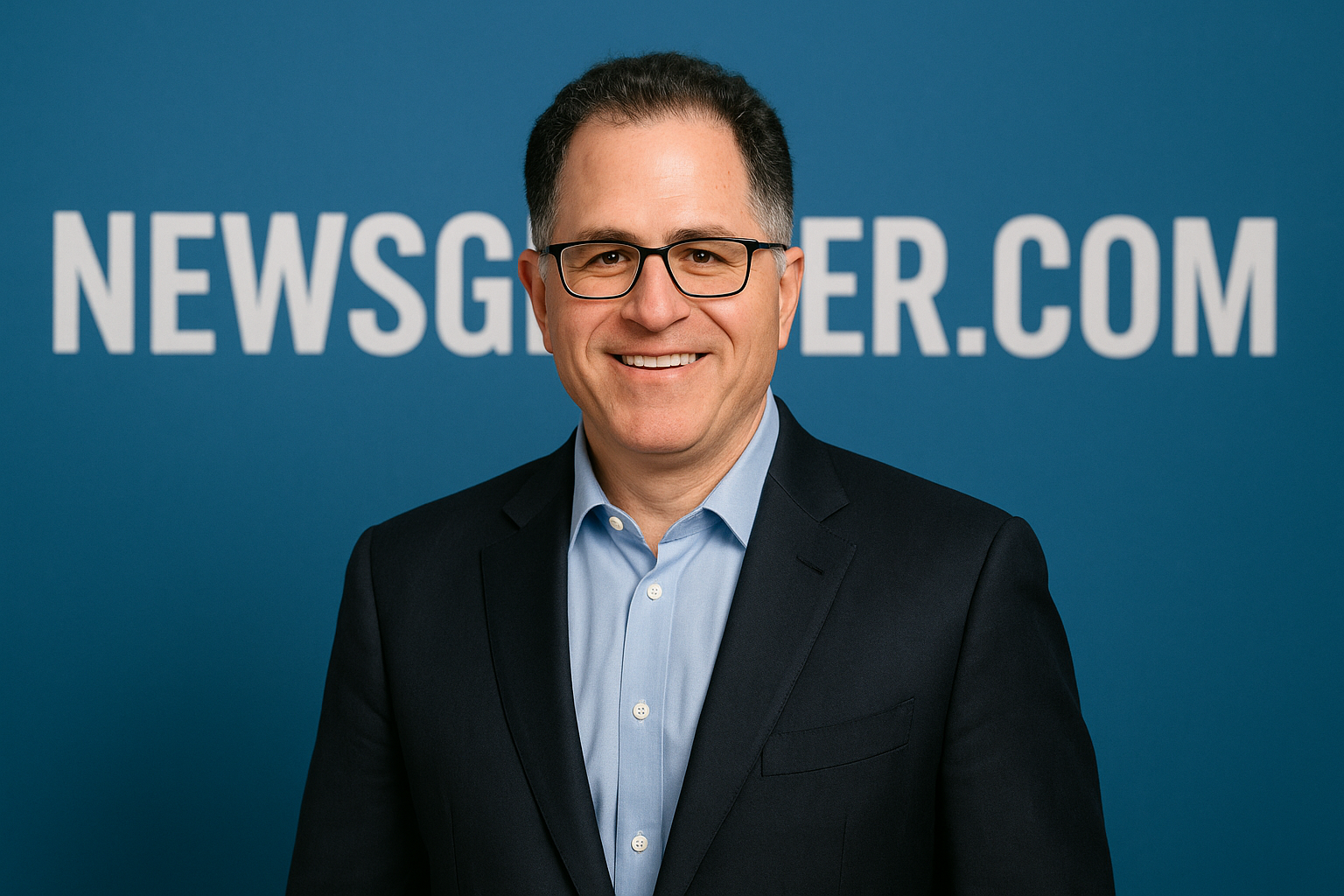

In the pantheon of modern technology titans, few names resonate with as much endurance and adaptability as Michael Saul Dell. From selling upgrade kits out of a university dorm room to orchestrating the largest technology merger in history, Dell’s journey is a masterclass in vision and resilience. As of late 2025, the Dell company founder stands taller than ever in the global financial rankings. According to the Bloomberg Billionaires Index, Michael Dell is now the 10th-richest person in the world, commanding a staggering net worth of US$151 billion.
This article explores the biography of Michael Dell, his rise to power, the evolution of the Michael Dell company, and his significant contributions to philanthropy alongside his wife, Susan Lieberman Dell.
The Early Years: A Prodigy in Houston
Michael Saul Dell was born on February 23, 1965, in Houston, Texas. Born to a stockbroker mother and an orthodontist father, Dell was exposed to the concepts of business and economics from a young age. His entrepreneurial spirit emerged early; at age 12, he operated a mail-order trading business for stamps and baseball cards, earning $2,000.
However, it was his fascination with electronics that would define his future. At age 15, he purchased one of the first Apple II computers. Instead of just using it, he dismantled it to understand how it worked—a pivotal moment that demystified technology for the young enthusiast.
Michael Dell education began in the public schools of Houston, attending Herod Elementary School and later Memorial Senior High School. While in high school, he sold subscriptions to the Houston Post. By analyzing public records to target newlyweds and new homeowners, he earned $18,000 in a single year—more than his history and civics teachers combined.
The Dorm Room Revolution
In 1983, Dell enrolled at The University of Texas at Austin as a pre-med student to please his parents. But his passion lay elsewhere. From Room 2713 of the Dobie Center residential building, he launched “PCs Limited.”
His business model was revolutionary yet simple: sell directly to consumers. By cutting out the retail middleman and building computers to order, he could offer lower prices and better support than established competitors like IBM. The venture was an instant success. By 1984, the company was grossing $80,000 a month. At age 19, after finishing his freshman year, Michael Dell dropped out of university to run his company full-time.
Building the Dell Empire
In 1987, PCs Limited was renamed Dell Computer Corporation. By 1988, the company went public, raising $30 million and valuing the Dell computer founder‘s stake at around $18 million. He was just 23 years old. In 1992, at age 27, Michael Dell became the youngest CEO of a company ranked in Fortune magazine’s top 500 corporations.
The 1990s and early 2000s saw the Dell company founder dominate the PC market. The “Dell Direct” model became a case study in business schools worldwide. However, the shifting landscape of mobile computing and cloud storage in the late 2000s challenged the company’s dominance.
The Transformation: From PCs to Infrastructure
Recognizing that the future lay in data and infrastructure rather than just hardware, Michael Dell executed one of the boldest moves in corporate history. In 2013, he took Dell private in a $24.4 billion leveraged buyout, allowing him to restructure the company away from the scrutiny of Wall Street.
This freedom paved the way for the 2016 acquisition of EMC Corporation for $67 billion—the largest technology acquisition ever at the time. The merger created Dell Technologies, an infrastructure giant capable of serving the world’s changing IT needs, from hybrid cloud solutions to edge computing.
By the time the company returned to the public markets in 2018, it was a transformed beast. Today, under his continued leadership as Chairman and CEO, Dell Technologies is a leader in servers, storage, and AI-ready infrastructure, driving the Dell Michael Dell fortune to new heights in the AI era of 2024 and 2025.
Wealth and Status in 2025
As of December 2025, Michael Dell’s financial standing is historic. The surge in demand for AI servers and data center infrastructure has propelled Dell Technologies’ stock, significantly inflating his personal wealth.
- Net Worth: $151 Billion (Bloomberg Billionaires Index) / $152.1 Billion (Forbes)
- Ranking: 10th Richest Person in the World
His investment firm, MSD Capital (now DFO Management), also manages a diverse portfolio ranging from real estate to private equity, ensuring his wealth is not solely tied to the tech sector.
Philanthropy and Personal Life
Beyond the boardroom, Michael Dell is a dedicated philanthropist. In 1999, he and his wife established the Michael & Susan Dell Foundation. Susan Lieberman Dell, whom he married in 1989, is a co-founder and chairman of the foundation. She is an athlete, fashion designer, and philanthropist in her own right.
The foundation has committed billions to urban education, childhood health, and family economic stability. Their work is particularly visible in their home state of Texas and in India and South Africa. The foundation’s endowment is among the largest in the world, reflecting the couple’s commitment to giving back.
Michael Dell LinkedIn profile often highlights not just business wins but these charitable milestones, showcasing a leader who values social impact alongside shareholder value.
Family:
Michael and Susan Dell are parents to four children: Zachary Dell, Alexa Dell, Juliette Dell, and Kira Dell. The family maintains a relatively private life despite their immense wealth, with residences in Austin, Texas, and the Kona district of Hawaii.
Conclusion
From a teenage tinkerer to a sexagenarian centibillionaire, Michael Dell’s biography is a testament to the power of direct connection—whether connecting components to build a PC or connecting businesses to the cloud. As we navigate 2025, Michael Dell remains a central figure in the global economy, proving that the Dell computer founder is not just a part of history, but a driving force of the future.